
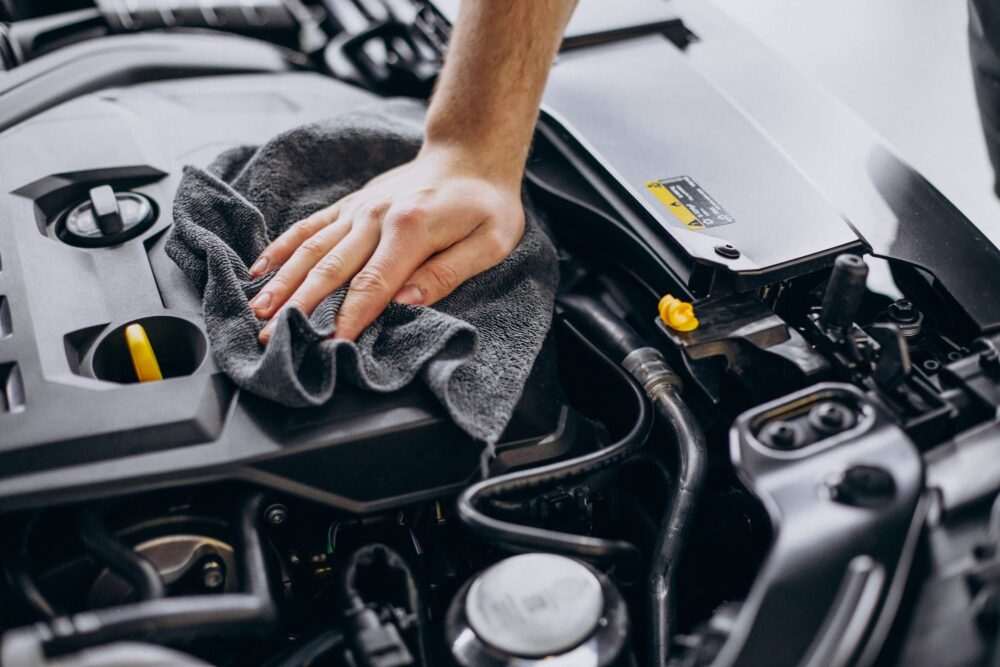
Engines accumulate grease, oil, dust, and dirt over time. Whether in cars, motorcycles, industrial machinery, or professional tools, keeping the engine clean helps improve overall maintenance and makes it easier to detect leaks or breakdowns.
However, cleaning an engine incorrectly can damage electrical connections, sensitive components, or mechanical parts. That is why it is important to use the right products and follow certain precautions to carry out safe and effective cleaning.
Why Regular Engine Cleaning Is Important
The dirt accumulated in an engine does not only affect its appearance. Grease and residue can make maintenance more difficult, hide oil leaks, and contribute to the deterioration of certain components.
Keeping the engine clean allows you to:
- Detect leaks more easily.
- Reduce grease buildup and embedded dirt.
- Improve access during mechanical inspections.
- Help preserve hoses, covers, and connections.
- Maintain a better appearance in vehicles and professional machinery.
In addition, in industrial environments or vehicles subjected to intensive use, regular cleaning is part of standard preventive maintenance.
Which Engine Parts Can Be Cleaned and Which Require Caution
Not all engine areas should be cleaned in the same way. Some surfaces can safely handle degreasing products, while others require special care.
Metal Surfaces and Engine Covers
These are the areas where grease and oil usually accumulate the most. Specific degreasing products and soft brushes can be used here to remove stuck-on dirt.
Hoses, Covers, and Plastics
These parts also accumulate dust and grease, but compatible products should be used to avoid deterioration or loss of shine.
Electrical and Electronic Components
Elements such as the battery, alternator, control units, or electrical connections should be protected before cleaning the engine. Excess water or certain products may cause electrical failures.
Air Intakes and Filters
It is important to prevent water or dirt from entering intake ducts and filters, as this could cause internal engine damage.
How to Clean an Engine Step by Step
Following an organized process helps clean the engine more safely and effectively.
1. Turn Off and Fully Cool the Engine
A hot engine should never be cleaned. In addition to the risk of burns, some products may evaporate too quickly or cause sudden temperature changes.
2. Protect Sensitive Components
Before starting, cover electrical connections, the battery, alternator, and air intakes with plastic or protective material to avoid unnecessary moisture.
3. Remove Dust and Surface Dirt
Use compressed air, brushes, or a dry cloth to remove dust, leaves, and surface debris before applying liquid products.
4. Apply an Effective Degreasing Product
Accumulated grease and oil residue require a product capable of acting on tough dirt without damaging surfaces.
El Milagrito Multi-Purpose Degreaser helps clean engine covers, metal surfaces, and other engine parts where grease and embedded dirt accumulate.
Its degreasing action makes cleaning easier and helps remove stuck-on residue more quickly and conveniently.
5. Remove the Product and Dry Properly
After cleaning, remove product residue with a damp cloth or microfiber towel and dry all surfaces properly before using the vehicle or machinery again.
What Products to Use for Engine Cleaning
Choosing the right products is essential to avoid damage and achieve better results.
Specialized Degreasers
Engines require products capable of removing grease, oil, and embedded dirt without being excessively aggressive.
El Milagrito Multi-Purpose Degreaser can be used on different engine surfaces thanks to its degreasing power and versatility.
Recommended Tools
To clean engines, it is recommended to use:
- Soft brushes.
- Small cleaning brushes.
- Microfiber cloths.
- Spray bottles.
- Compressed air.
Products and Practices to Avoid
It is not recommended to use:
- High-pressure water directly on the engine.
- Corrosive products.
- Aggressive metal brushes.
- Flammable solvents without proper control.
Important Precautions When Cleaning Engines
Before performing any cleaning, it is advisable to keep some important safety measures in mind.
- Never clean a hot engine.
- Avoid wetting electrical components.
- Work in ventilated areas.
- Use protective gloves.
- Do not apply flammable products near heat sources.
- Dry completely before starting the engine.
Taking these precautions helps prevent breakdowns and extends the lifespan of the components.
Common Mistakes in Engine Cleaning
One of the most common mistakes is using high-pressure water directly on sensitive connections and parts. This can cause electrical problems that are difficult to detect afterward.
Other common mistakes include:
- Not protecting electrical areas.
- Using overly aggressive degreasers.
- Leaving product residue behind.
- Not drying the engine properly.
- Cleaning while the engine is still hot.
Avoiding these mistakes allows for much safer and more effective cleaning.
How Often Should an Engine Be Cleaned
The frequency depends on the type of vehicle, the environment, and the use the engine receives.
Daily-Use Vehicles
In cars and motorcycles used regularly, occasional cleaning can help keep the engine in better condition and make inspections easier.
Industrial Engines and Machinery
Professional machinery usually requires more frequent cleaning due to the constant accumulation of grease, dust, and residue.
Off-Road Vehicles or Dusty Areas
Vehicles exposed to mud, dirt, or dusty environments require more maintenance and more frequent cleaning.
Tips to Keep the Engine Clean for Longer
There are small actions that help reduce the accumulation of dirt and grease in the engine.
Some useful recommendations include:
- Check for possible oil leaks.
- Clean recent stains quickly.
- Avoid accumulations of mud and dust.
- Perform regular preventive maintenance.
- Regularly inspect hoses and connections.
In addition, using suitable products for maintenance cleaning helps keep surfaces in better condition.
El Milagrito Multi-Purpose Degreaser helps remove accumulated grease and dirt from engines and machinery quickly and effectively.