
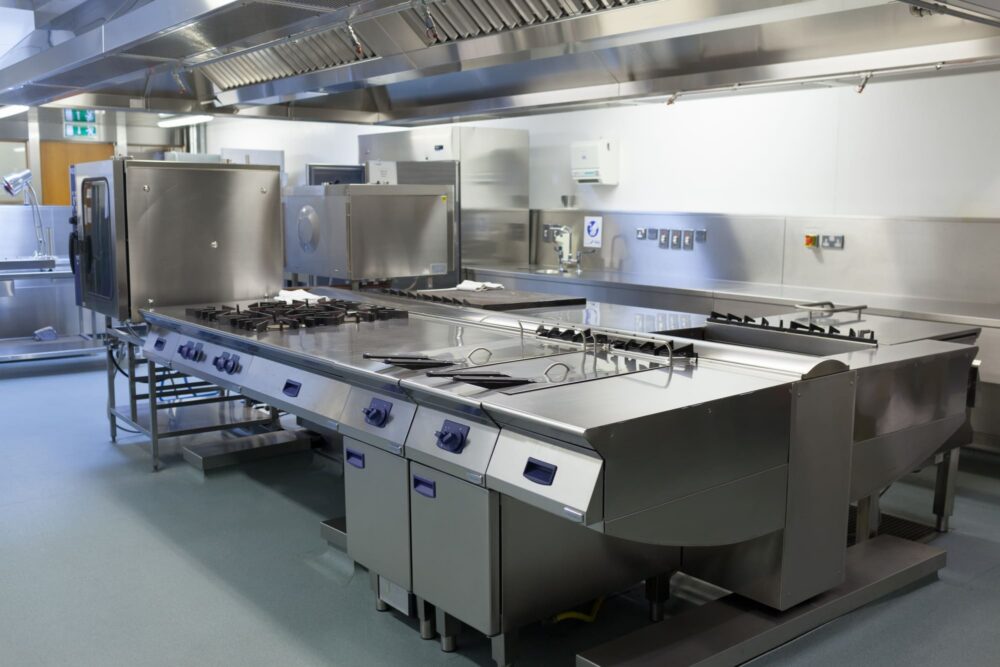
Cleaning a restaurant kitchen is not only a matter of appearance, but also of food safety, efficiency, and regulatory compliance. In a professional kitchen, grease, food residue, smoke, and dirt accumulate daily, especially in high-intensity cooking areas such as griddles, fryers, and exhaust hoods.
Knowing how to clean a restaurant kitchen properly helps prevent equipment failures, avoid cross-contamination, and maintain a safe environment for both staff and customers. In addition, a good cleaning routine reduces wear and tear on equipment and makes it easier to pass health inspections.
In this professional guide, we explain step by step how to carry out effective cleaning in a commercial kitchen, which areas require the most attention, and which products can help remove stubborn grease quickly and safely.
Why Is It So Important to Keep a Restaurant Kitchen Clean?
The kitchen is the heart of any restaurant. If it is not kept consistently clean, the buildup of grease, moisture, and waste can quickly become a sanitary and operational problem.
One of the main risks of a poorly sanitized kitchen is cross-contamination. Bacteria and microorganisms can easily spread between food, utensils, and surfaces if proper cleaning and disinfection protocols are not followed.
In addition, grease buildup in commercial kitchens poses a significant fire hazard, especially in exhaust hoods, filters, fryers, and stovetops. Insufficient cleaning can also cause unpleasant odors, slippery floors, and premature equipment deterioration.
Keeping a professional kitchen clean also directly impacts:
- Staff safety
- Service quality
- Preservation of equipment and surfaces
- Compliance with health regulations
- The restaurant’s image during inspections and in front of customers
That is why using the right products to remove stubborn grease is essential in any professional cleaning routine.
What You Need Before Starting to Clean a Commercial Kitchen
Before starting the cleaning process, it is important to properly prepare both the materials and the products that will be used. In a professional kitchen, simply wiping surfaces is not enough: deep cleaning is necessary to remove grease, residue, and dirt accumulated during service.
Protective Equipment and Safety
Cleaning a commercial kitchen involves using degreasing products and handling hot surfaces or accumulated residue. That is why it is recommended to use:
- Protective gloves
- Non-slip footwear
- Safety goggles for deep cleaning
- An apron or appropriate work clothing
It is also important to ensure proper ventilation throughout the cleaning process.
Essential Products for Professional Cleaning
To achieve good results, it is recommended to have:
- Microfiber cloths
- Heavy-duty brushes and scrubbers
- Buckets and mops
- Hot water
- Spray bottles
- Professional degreasing products
The grease generated in a commercial kitchen is usually much thicker and more persistent than in a household kitchen, especially around fryers, ovens, and exhaust hoods.
For this reason, many professionals use specific products such as El Milagrito Multi-Purpose Degreaser, designed to help remove stubborn grease from multiple kitchen surfaces quickly and effectively.
How to Clean a Restaurant Kitchen Step by Step
A professional kitchen should be cleaned following a logical order to avoid spreading dirt and to ensure effective disinfection. This process helps keep all areas free from grease and accumulated residue.
1. Remove Waste and Food Residue
Before applying any product, remove solid food remains, packaging, paper, or accumulated debris from countertops, stovetops, and floors.
Empty trash bins and containers to prevent bad odors and make all surfaces easier to access.
This first step prevents dirt from mixing with liquid products and making the cleaning process less effective.
2. Degrease Stovetops, Griddles, and Exhaust Hoods
Cooking areas are where the most grease accumulates in a commercial kitchen. Griddles, hoods, and stovetops often develop carbonized grease that is difficult to remove if not cleaned regularly.
It is recommended to:
- Apply the degreasing product directly onto the surface
- Let it sit for a few minutes
- Scrub with a suitable brush or scrubber
- Wipe away with a damp cloth
For this type of intensive cleaning, many restaurants use solutions such as El Milagrito Multi-Purpose Degreaser, especially useful on surfaces with persistent grease buildup.
3. Clean Walls, Tiles, and Stainless Steel Surfaces
Oil splashes and steam cause walls and tiles to accumulate an almost invisible greasy film that becomes difficult to remove over time.
On stainless steel surfaces, it is important to use products that clean without leaving marks or damaging the finish. It is recommended to clean using even motions and dry the surface properly afterward.
4. Disinfect Worktables and Food Preparation Areas
Surfaces where food is handled require especially careful cleaning.
After removing visible dirt, it is important to properly disinfect:
- Preparation tables
- Countertops
- Cutting boards
- Frequently used utensils
This helps reduce the risk of cross-contamination and maintain the hygiene standards required in the food service industry.
5. Clean Floors and Drains Properly
Kitchen floors constantly accumulate grease, organic residue, and moisture. If not cleaned properly, they can become a slipping hazard and cause unpleasant odors.
For effective cleaning:
- Sweep or remove solid debris
- Use hot water
- Apply degreaser in dirtier areas
- Mop thoroughly, paying attention to corners and areas underneath equipment
Do not forget to regularly inspect and clean drains to prevent blockages and residue buildup.
6. Check Refrigeration Units and Storage Areas
Cold storage rooms and storage areas are also part of the kitchen’s overall hygiene.
It is recommended to:
- Check for possible spills
- Clean shelves
- Remove damaged boxes
- Control moisture and odors
Keeping these areas organized also makes food management easier and improves food safety.
Common Mistakes When Cleaning a Commercial Kitchen
Although many kitchens follow daily cleaning routines, there are common mistakes that reduce the effectiveness of the process.
Using Products That Are Not Effective Against Grease
Industrial grease requires powerful and specific products. Using cleaners that are too mild may leave residue behind, which hardens over time.
Not Respecting the Product’s Working Time
One of the most common mistakes is removing the product too quickly. Degreasers need a few minutes to properly dissolve stubborn grease.
Neglecting Exhaust Hoods and Filters
Exhaust hoods accumulate large amounts of grease and are one of the main fire risk areas in a kitchen.
Dirt also accumulates underneath equipment, behind ovens, and inside drains. Ignoring these areas can cause unpleasant odors and sanitary problems.
Cleaning products should never be mixed without understanding their composition, especially bleach or acidic products, as they may produce dangerous gases.
How to Remove Stubborn Grease in Commercial Kitchens
Grease accumulated in a professional kitchen tends to harden due to constant heat exposure. This makes cleaning much more difficult if the right methods are not used.
To effectively remove stubborn grease, it is recommended to:
- Apply hot water beforehand
- Use specific degreasing products
- Allow the product to work for several minutes
- Scrub using tools appropriate for each surface
In especially difficult areas, such as hoods, griddles, or fryers, many professionals rely on El Milagrito Multi-Purpose Degreaser to help loosen stuck grease without excessive scrubbing.
Acting quickly on recent stains also makes daily kitchen maintenance much easier.
Keeping a Kitchen Clean Is Essential for Any Restaurant
Cleaning a professional kitchen goes far beyond appearance. Keeping all surfaces free from grease and residue helps ensure food safety, prevent risks, and improve the restaurant’s daily operations.
Following a proper cleaning protocol, using effective products, and maintaining a consistent routine are fundamental aspects of keeping a commercial kitchen in perfect condition.
In addition, having specific solutions to remove tough grease, such as El Milagrito Multi-Purpose Degreaser, can greatly simplify daily maintenance in heavily used professional kitchens