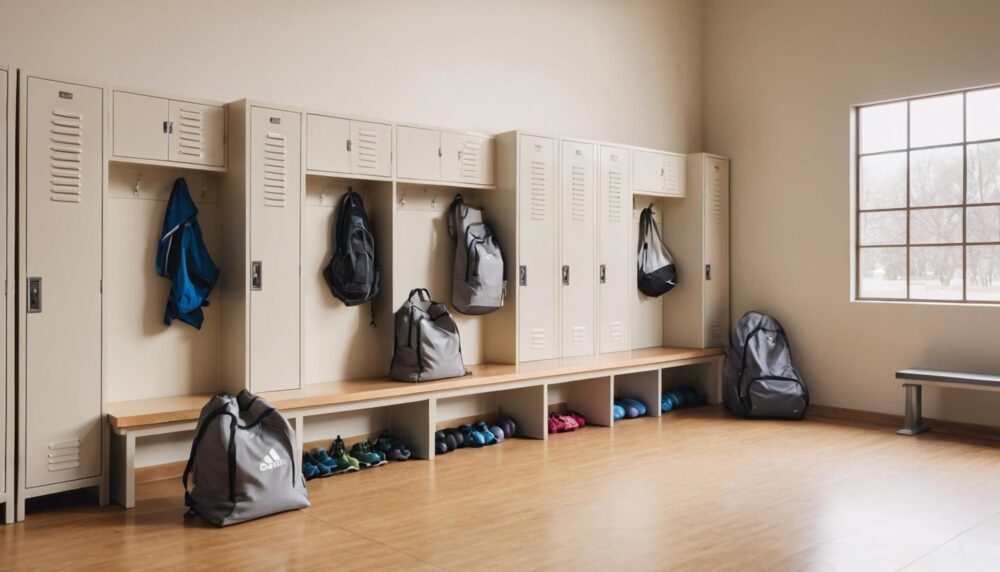
Locker rooms and common areas are spaces with constant foot traffic and a high accumulation of moisture, dirt, and bacteria. Gyms, companies, swimming pools, hotels, schools, and sports centers need effective cleaning protocols to ensure hygiene and prevent bad odors, mold, and cross-contamination.
In addition to cleaning, it is essential to properly disinfect every surface and remove body grease, soap residue, and embedded dirt that can make deep hygiene more difficult. That is why using the right products makes a difference in the daily maintenance of these spaces.
Why It Is Important to Properly Disinfect Locker Rooms and Common Areas
Shared areas are one of the places where microorganisms accumulate most easily. The combination of moisture, heat, and continuous use encourages the appearance of bacteria, fungi, and bad odors, especially in showers, benches, lockers, and floors.
Insufficient cleaning can cause:
- Persistent odors.
- Appearance of mold and fungi.
- Slippery and unhygienic surfaces.
- A feeling of dirtiness for users and customers.
- Greater deterioration of facilities and materials.
Keeping locker rooms disinfected not only improves the appearance of the space, but also helps protect the health of those who use it daily.
Which Areas Require More Frequent Cleaning and Disinfection
Not all surfaces accumulate the same amount of dirt. There are critical areas that require more frequent and deeper cleaning.
Showers and Wet Areas
Showers accumulate soap residue, limescale, moisture, and body grease. In addition, they are one of the main breeding grounds for mold and fungi if they are not cleaned properly.
Benches, Lockers, and Door Handles
These are constantly touched surfaces and can quickly accumulate bacteria. Frequent disinfection is essential to reduce the risk of cross-contamination.
Floors and Drains
Locker room floors usually accumulate water, organic residue, and embedded dirt. Drains also require regular maintenance to prevent bad odors and blockages.
Shared Bathrooms and Sinks
Restrooms require reinforced hygiene protocols to ensure proper disinfection and maintain a clean and pleasant environment.
How to Disinfect Locker Rooms Step by Step
Following an organized protocol helps improve cleaning efficiency and prevents dirt from spreading from one area to another.
1. Properly Ventilate the Space
Before starting, it is important to ventilate the locker room to reduce moisture and promote air circulation. This helps reduce odors and improves drying afterward.
2. Remove Residue and Surface Dirt
Sweep or vacuum the floor and remove visible debris before applying cleaning products. This preparation allows for deeper and more effective cleaning.
3. Apply an Effective Degreasing Product
Before disinfecting, it is essential to remove grease, soap residue, and embedded dirt present on surfaces and floors.
El Milagrito Multi-Purpose Degreaser is a highly effective option for cleaning showers, tiles, benches, lockers, and other washable surfaces in locker rooms and common areas.
Its degreasing power helps remove tough dirt quickly and makes subsequent disinfection much more effective.
4. Disinfect High-Contact Surfaces
Once the dirt has been removed, apply the appropriate disinfectant to door handles, benches, faucets, showers, and other frequently touched surfaces.
5. Rinse and Dry Properly
After cleaning and disinfecting, rinse surfaces if necessary and dry them properly to prevent moisture buildup and the appearance of bad odors.
What Products to Use to Clean and Disinfect Common Areas
The combination of the right products allows for better results and longer-lasting cleanliness.
Degreasing Products
Locker rooms often accumulate body grease, cosmetic residue, soap, and stuck-on dirt. A good degreaser makes cleaning easier and improves residue removal.
El Milagrito Multi-Purpose Degreaser helps clean difficult surfaces and can be used in multiple locker room areas thanks to its versatility.
Compatible Disinfectants
Depending on the facility, specific disinfectants may be used, such as:
- Diluted bleach.
- Disinfectant alcohols.
- Quaternary ammonium compounds.
- Authorized bactericidal products.
It is important not to mix incompatible products and always follow usage recommendations.
Recommended Materials and Tools
To improve cleaning, it is recommended to use:
- Microfiber mops.
- Brushes for grout lines and corners.
- Spray bottles.
- Cloths differentiated by area.
- Protective gloves.
Common Mistakes When Cleaning Locker Rooms and Shared Areas
One of the most common mistakes is trying to disinfect without first removing dirt and accumulated grease. If the surface is not clean, disinfection loses effectiveness.
Other common mistakes include:
- Not respecting disinfectant contact times.
- Using too much water in wet areas.
- Not ventilating properly.
- Neglecting drains and grout lines.
- Mixing incompatible chemical products.
Avoiding these mistakes helps create more hygienic and safer spaces.
Tips to Keep Locker Rooms Clean for Longer
Maintaining locker room hygiene does not depend solely on daily cleaning. There are small actions that help keep spaces in better condition.
Some useful tips include:
- Maintaining good ventilation.
- Controlling ambient humidity.
- Using non-slip mats.
- Establishing visible cleaning protocols.
- Periodically checking drains and grout lines.
In addition, using effective products for maintenance cleaning helps prevent dirt buildup that is difficult to remove later.
El Milagrito Multi-Purpose Degreaser helps keep surfaces clean and grease-free in locker rooms, gyms, and other frequently used common areas.