
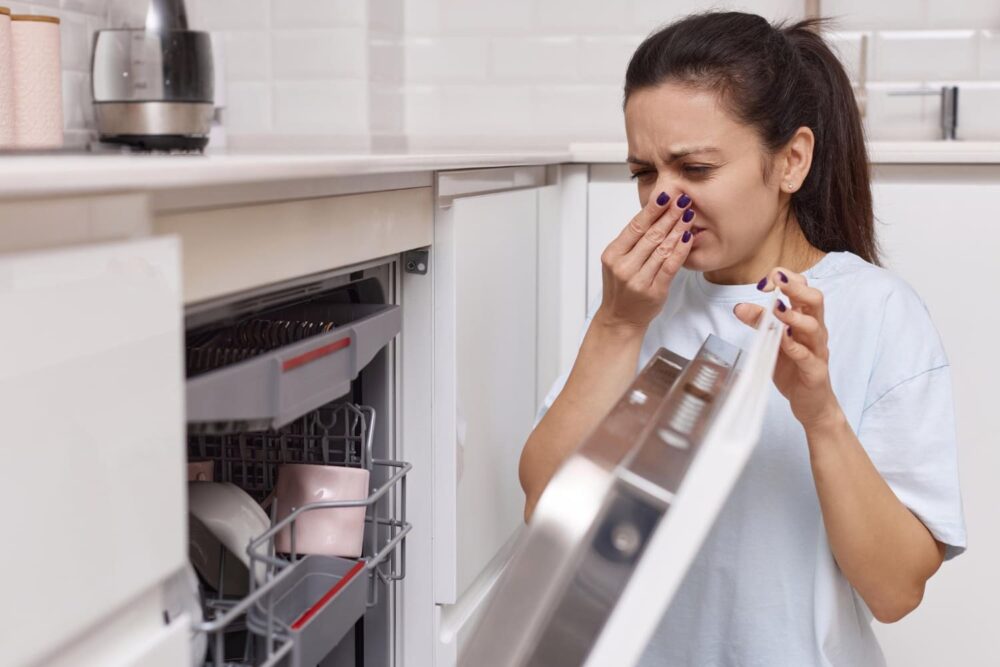
Cooking at home is one of life’s great pleasures, but lingering food odors can put a dampener on things, not to mention complicate the post-meal clean-up. Whether it’s fried fish, garlic-heavy sauces, smoky grilling, or last night’s curry, strong cooking odors can cling to fabrics, walls, and surfaces long after the meal is finished. The good news? You don’t need to wait days for those lingering smells to disappear. With the right cleaning approach and El Milagrito Multipurpose Degreaser, you can remove cooking odors quickly and keep your home smelling fresh every day.
Why Cooking Odors Stick Around
Cooking odors don’t just stay in the air. They attach themselves to grease particles released during cooking. These microscopic particles settle on:
- Kitchen counters and cabinets
- Walls and backsplashes
- Stove tops and range hoods
- Curtains and upholstery
- Floors and nearby furniture
If grease residue isn’t removed, odors continue to release into the air even after the kitchen looks clean. That’s why simply opening a window or spraying air freshener often doesn’t solve the problem. To truly eliminate smells, you need to remove the grease causing them.
Step 1: Ventilate Immediately
The fastest way to stop odors from spreading is to act while you cook. Here’s what you do:
- Turn on your range hood or exhaust fan before cooking begins
- Open nearby windows to create airflow
- Use a small fan to push air outward if needed
- Keep kitchen doors open to prevent odor buildup
Even five minutes of airflow during cooking can dramatically reduce lingering smells later.
Step 2: Clean Grease Sources Right Away
Once cooking is finished, focus on surfaces where grease settles. Odors often remain because invisible residue stays behind.
Key areas to clean:
- Stove tops and burner grates
- Countertops and backsplash tiles
- Microwave interior
- Cabinet handles and nearby surfaces
- Range hood exterior
Using a grease-cutting cleaner is essential here. A product like El Milagrito Multipurpose Degreaser helps break down oily residue quickly, removing the source of odors rather than masking them. Wiping surfaces while they’re still slightly warm (but safe to touch) makes cleaning even more effective.
Step 3: Neutralize Odors in the Air
After cleaning surfaces, refresh the air itself using natural odor absorbers. First, simmer a pot of water with lemon slices and cinnamon sticks. You can also place bowls of baking soda around the kitchen overnight. To neutralize strong smells, boil water with vinegar for 10 minutes. Finally, it’s always good to use activated charcoal near cooking areas to absorb unwanted odors. Unlike fragrances, these methods absorb and neutralize odors instead of covering them up.
Step 4: Don’t Forget Soft Surfaces
Fabric holds smells longer than hard surfaces. If odors seem to return hours later, textiles are often the reason.
Focus on:
- Kitchen towels and dishcloths
- Curtains or blinds
- Chair cushions
- Rugs or floor mats
- Aprons and oven mitts
Wash fabrics regularly, especially after cooking strong-smelling foods like fish or fried dishes. Add a half cup of white vinegar to the wash cycle to help remove trapped odors.
Step 5: Clean the Hidden Odor Traps
Some of the most difficult odors to pinpoint come from the areas of the house that we clean least often. It’s good to keep tabs on the following areas on a weekly basis to ensure they remain odor free.
- Trash cans and recycling bins
- Sink drains and garbage disposals
- Refrigerator seals
- Dishwasher filters
- Sponge holders
Grease and food particles build up over time, creating persistent smells that spread throughout the kitchen. Cleaning these areas with a degreasing cleaner ensures odors don’t come back.
Step 6: Refresh the Air in Minutes
Finally, here’s our simple 5-step hack to get your house smelling fresh and welcoming for when you’re expecting guests:
5-Step Odor Removal
- Open windows and turn on ventilation.
- Wipe stove and counters with a degreaser.
- Take out the trash.
- Simmer lemon water on the stove.
- Replace kitchen towels with clean ones.
This combination tackles both the source and the smell, giving you noticeable results almost immediately.
How to Prevent Cooking Odors in the Future
Consistency is the secret to an always-fresh kitchen. Daily habits that make a difference. Keeping your cooking surfaces clean and your trash cans empty is essential to maintaining an odorless household. Wash dishcloths every 1–2 days and always run the exhaust fan during cooking. Finally, for the tricky spots, El Milagrito Multipurpose Degreaser helps prevent odor buildup before it starts, making deep cleaning less necessary over time.
For more cleaning tips and household hacks, visit our blog.
FAQ: Removing Cooking Odors
Odors often remain because grease residue is still present on walls, cabinets, or fabrics. Air fresheners don’t remove the source — degreasing surfaces does.
Fried foods, fish, garlic, onions, and heavily spiced dishes tend to produce oils that cling strongly to surfaces and fabrics.
Yes. Vinegar helps neutralize odor molecules in the air. The vinegar smell disappears quickly once simmering stops.
A light degreasing clean several times per week and a deeper clean once a week usually prevents odor buildup.
They temporarily mask smells but don’t remove grease particles. Cleaning surfaces and improving ventilation provide longer-lasting results.